

Psilocybin mushrooms, often called magic mushrooms, have become a growing topic of interest across Canada. As more people search for information about mushrooms, psychedelics, cannabis culture, and wellness trends, it is important to understand the basics before making assumptions.
This guide explains what psilocybin mushrooms are, why Canadians are searching for them, how they differ from cannabis, and what readers should know before exploring the topic further. The goal is to provide clear, balanced education without making medical promises or presenting psilocybin mushrooms as the same as regulated cannabis products.
At King Tut’s Cannabis, we believe informed readers make better decisions. Whether someone is learning about cannabis, mushrooms, extracts, edibles, or wellness-related products, education should always come first.
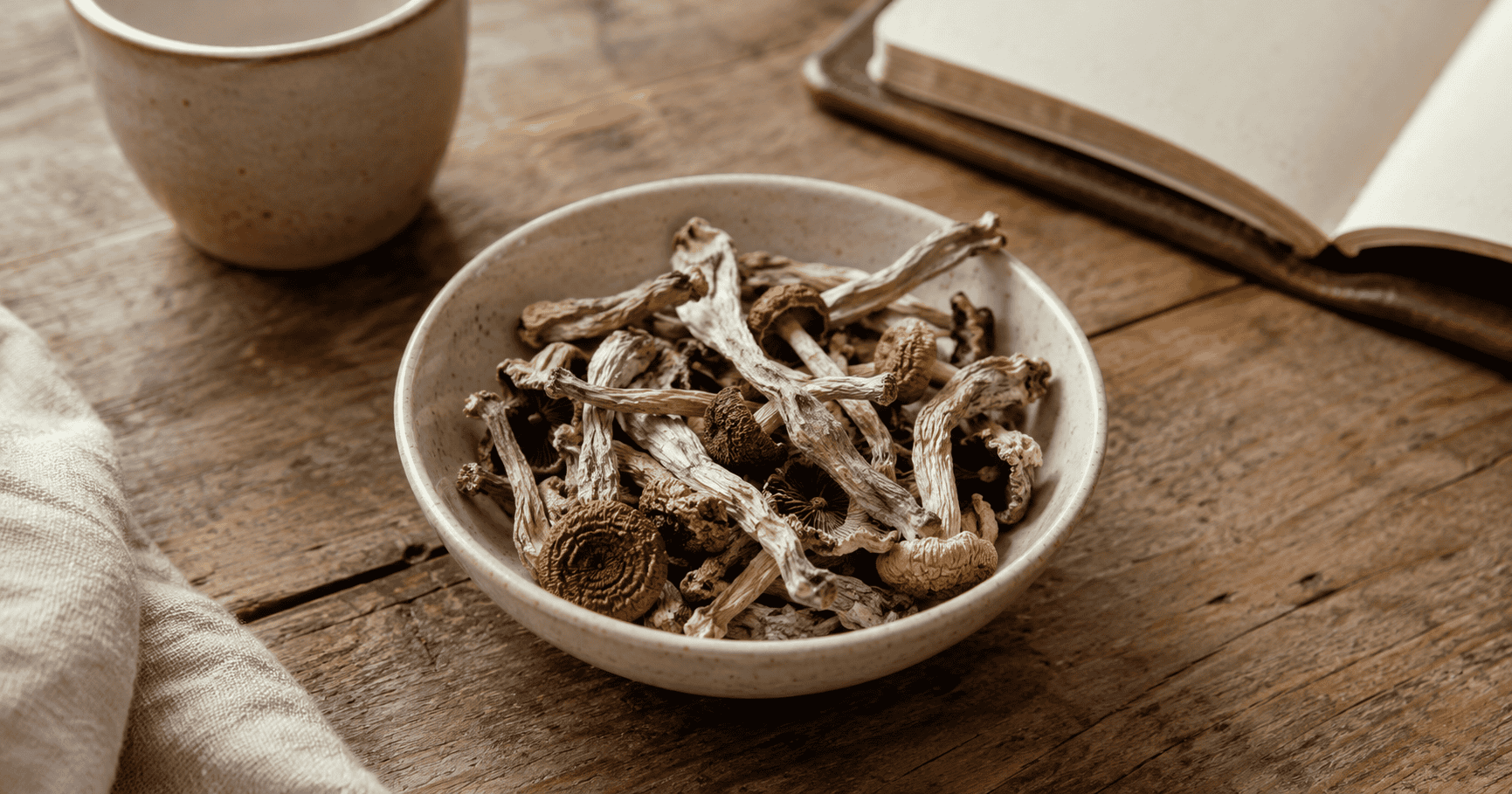
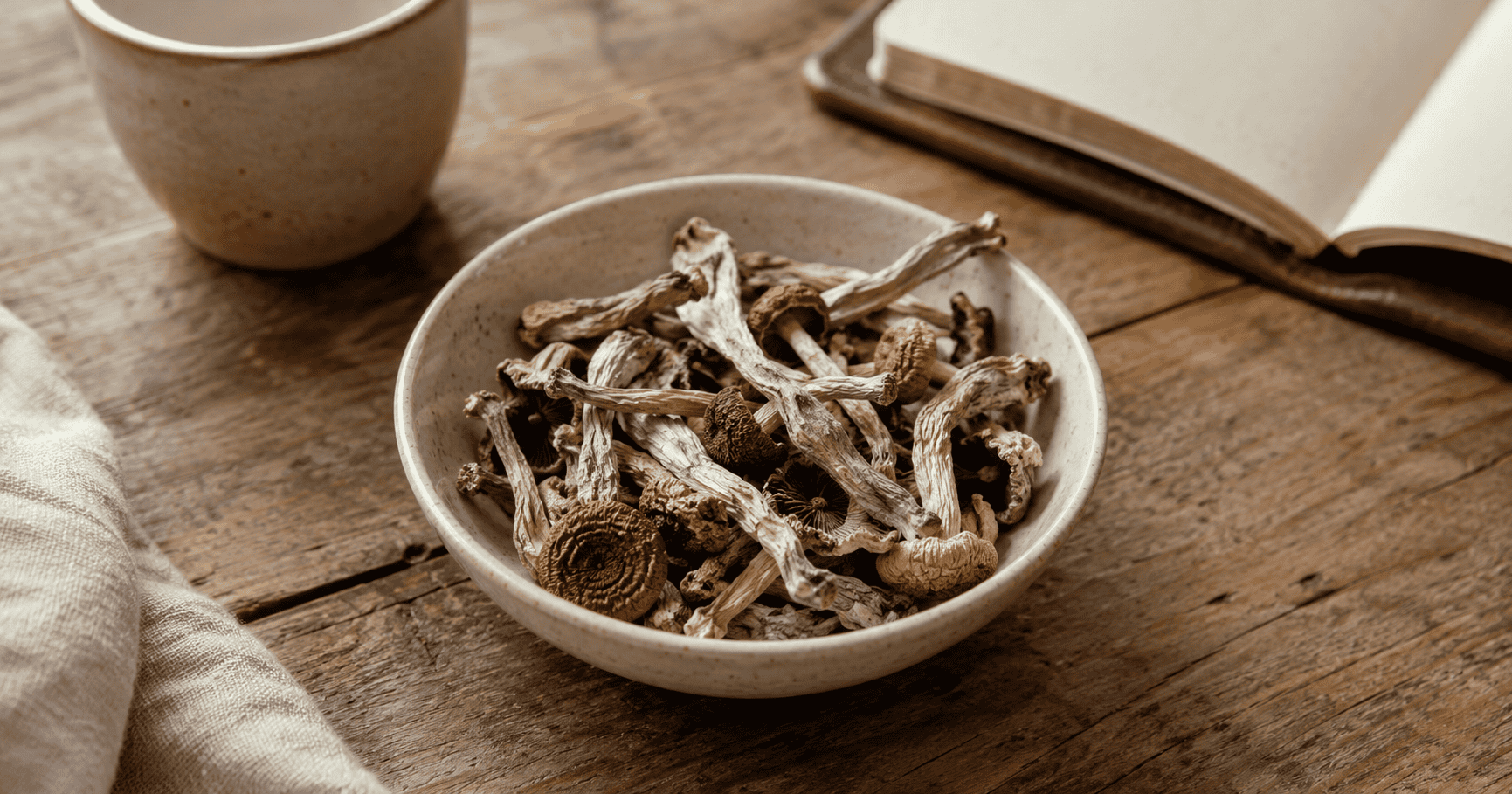
Psilocybin mushrooms are fungi that naturally contain psilocybin, a psychedelic compound. They are often referred to as magic mushrooms because they can affect perception, mood, thoughts, and sensory experiences.
Psilocybin mushrooms are different from everyday culinary mushrooms and functional mushrooms. This distinction matters because the word “mushrooms” can refer to many different things.
Common mushroom categories include:
Because these categories are often discussed together online, it is easy for readers to become confused. A responsible starting point is understanding what type of mushroom is being discussed and how it is regulated.
Interest in psilocybin mushrooms has increased as more Canadians hear about psychedelic research, wellness discussions, and changing public conversations around mental health and natural products.
People may search for psilocybin mushrooms because they want to understand:
Not every search means someone is ready to make a purchase. Many readers are simply looking for plain-language information that helps them understand a topic they have heard about online.
That is why educational content matters. A strong blog should help readers understand the subject clearly, without making unsupported claims or creating confusion.
Psilocybin mushrooms are treated differently from legal adult-use cannabis in Canada. While cannabis has a regulated retail framework, psilocybin is currently handled through specific controlled access pathways, including research and authorized medical access.
Because of this, it is important for readers to rely on credible educational sources and avoid assuming that psilocybin products follow the same rules as cannabis. Health Canada explains that clinical trials and the Special Access Program are regulatory options through which a legal source of psilocybin may be accessed in specific circumstances.
Anyone researching this topic should understand the difference between cannabis, functional mushrooms, and psilocybin mushrooms before making decisions.
Cannabis and psilocybin mushrooms are sometimes discussed in similar communities, but they are not the same.
Cannabis contains cannabinoids such as THC and CBD. These compounds interact with the body’s endocannabinoid system and are available to adults in Canada through a regulated cannabis framework.
Psilocybin mushrooms contain psilocybin, which is a psychedelic compound. Psilocybin affects perception, thought patterns, and mood in ways that differ from cannabis.
The key differences include:
For readers, this means cannabis education and psilocybin education should not be treated as interchangeable.
Psilocybin is being studied in clinical and research settings, but that does not mean every claim online is accurate. Readers should be cautious of bold statements that promise guaranteed outcomes.
Avoid trusting claims such as:
A more responsible way to understand the topic is:
This approach helps keep the conversation balanced and realistic.
The online mushroom space can be confusing because many websites use similar language for very different products.
For example, one website may discuss functional mushrooms like lion’s mane or reishi, while another may discuss psilocybin mushrooms. These are not the same thing.
Before forming an opinion, readers should ask:
Taking time to answer these questions can help readers avoid misinformation and better understand what they are reading.
What Are Functional Mushrooms?
Functional mushrooms are non-psychedelic mushrooms commonly discussed in wellness spaces. Examples include lion’s mane, reishi, chaga, cordyceps, and turkey tail.
These mushrooms are different from psilocybin mushrooms because they do not contain psilocybin and do not create psychedelic effects.
Functional mushrooms may appear in teas, capsules, powders, coffees, and wellness products. However, even with functional mushrooms, readers should be careful with health claims and should speak with a healthcare professional if they have medical concerns or take medication.
Understanding this difference helps readers avoid mixing up functional mushroom education with psilocybin mushroom education.
What Should Canadians Look for in Reliable Mushroom Information?
When researching psilocybin mushrooms or mushroom-related topics in Canada, readers should look for content that is clear, balanced, and transparent.
Reliable information should:
Readers should be cautious of content that sounds too promotional, guarantees results, or makes complex topics seem overly simple.
How Can Cannabis Consumers Approach Mushroom Education?
Cannabis consumers may be curious about mushrooms because both topics are common in wellness, alternative lifestyle, and plant-based product conversations. However, curiosity should be paired with careful education.
The best approach is to slow down and learn the basics first.
Start by understanding:
This allows readers to make more informed choices and avoid relying on rumours, social media clips, or unsupported claims.
Where Can Readers Learn More?
Readers interested in mushrooms, cannabis, and wellness education should rely on credible sources and clear information. Health Canada is a helpful resource for learning more about psilocybin, psilocin, and controlled access pathways in Canada.
For general King Tut’s Cannabis questions, readers can also visit the FAQ page to learn more about membership, promotions, shipping, customer support, and common order questions.
Education is especially important when a topic involves cannabis, mushrooms, wellness, or emerging research. Taking the time to understand the basics can help readers feel more confident and informed.
What are psilocybin mushrooms?
Psilocybin mushrooms are fungi that naturally contain psilocybin, a psychedelic compound. They are often called magic mushrooms because of their effects on perception, mood, and thought patterns.
Are psilocybin mushrooms the same as functional mushrooms?
No. Functional mushrooms, such as lion’s mane, reishi, chaga, and turkey tail, do not contain psilocybin. Psilocybin mushrooms are a separate category and should not be confused with common wellness mushroom products.
Are psilocybin mushrooms the same as cannabis?
No. Cannabis contains cannabinoids such as THC and CBD, while psilocybin mushrooms contain psilocybin. They have different effects, different active compounds, and different regulatory considerations in Canada.
Why are people interested in psilocybin mushrooms?
Many people are curious because of research, media coverage, wellness trends, and broader conversations about psychedelics. Interest does not always mean someone is looking to use or purchase them; many readers simply want to understand the topic better.
Can psilocybin mushrooms be marketed with medical claims?
Readers should be careful with medical claims. Psilocybin is being studied in clinical settings, but it should not be presented as a guaranteed treatment or cure. Anyone with health-related questions should speak with a qualified healthcare professional.
Final Thoughts
Psilocybin mushrooms are a growing topic in Canada, but they should be approached with clear education and realistic expectations. They are different from cannabis, different from functional mushrooms, and different from everyday culinary mushrooms.
For readers, the best first step is learning. Understanding what psilocybin mushrooms are, how they differ from cannabis, and why credible information matters can help people avoid confusion and misinformation.
At King Tut’s Cannabis, we believe education should come before assumptions. Continue exploring trusted resources, read more cannabis education, and use reliable information when learning about mushrooms, cannabis, and wellness-related topics.
If you found this guide helpful, you may also enjoy reading our article on How to Buy Psilocybin Mushrooms Online: What You Should Know to continue learning about Psilocybin mushrooms.

Copyright 2022 © All Rights Reserved.