
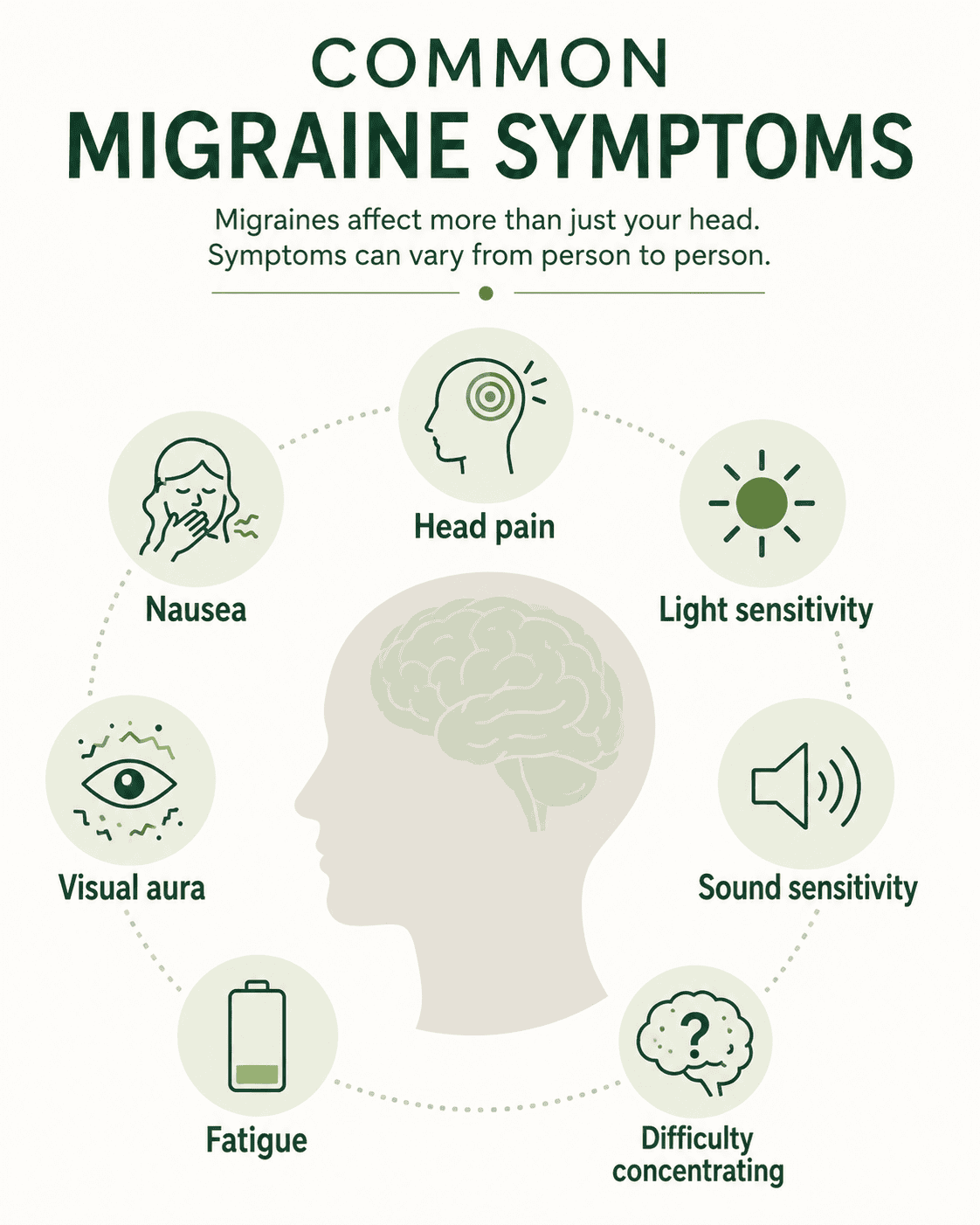
Migraine is more than an ordinary headache. It can involve throbbing head pain, nausea, sensitivity to light or sound, visual disturbances, fatigue, and difficulty completing everyday activities. Because migraine symptoms can be disruptive, some Canadian adults are asking whether cannabis might have a role in their symptom-management plan.
Research into cannabis for migraine in Canada is developing, but the evidence is not yet strong enough to describe cannabis as a proven or universally effective migraine treatment. Some observational studies report improvements among certain patients, while newer clinical research has produced encouraging early findings for specific cannabinoid combinations. However, cannabis may also cause impairment, anxiety, dizziness, medication interactions, or worsening headaches in some people.
This guide explains what researchers currently know, how THC and CBD differ, why product labels do not guarantee results, and what patients should discuss with a qualified healthcare professional.
This article is for general education and does not replace medical advice, diagnosis, or treatment.
What Is a Migraine?
Migraine is a neurological condition that can produce recurring attacks. Although head pain is a common feature, an attack may also involve:
- Nausea or vomiting
- Sensitivity to light, sound, or smells
- Visual changes or aura
- Dizziness
- Fatigue
- Difficulty concentrating
- Neck discomfort
- Changes in mood or appetite
Symptoms, triggers, and attack frequency can vary considerably from one person to another. A treatment that helps one patient may not provide the same result for someone else.
Anyone experiencing new, unusually severe, or rapidly changing headache symptoms should seek professional medical assessment rather than assuming the symptoms are caused by migraine.
Why Are Canadians Exploring Cannabis for Migraine?
Some adults consider cannabis after finding that their existing migraine strategies provide incomplete relief or create unwanted side effects. Others become interested after hearing personal accounts from cannabis consumers or reading about emerging cannabinoid research.
Patients commonly want to know whether cannabis could influence:
- Head pain
- Nausea
- Sensitivity to light or sound
- Sleep during or after an attack
- The frequency of migraine episodes
- The ability to relax while symptoms are present
These are reasonable questions, but patient experiences do not prove that cannabis will work consistently. Personal reports are affected by many variables, including the product used, THC and CBD content, migraine type, other medications, tolerance, and individual biology.
What The Research Says About Cannabis For Migraine?
The overall evidence remains limited, although research has begun to move beyond surveys and retrospective patient records.
Earlier reviews found that some patients reported fewer migraine days or less nausea after using medical cannabis. However, many of the studies were observational, used different cannabis products, and lacked placebo controls. Researchers therefore concluded that better clinical trials were needed before firm treatment recommendations could be made.
A randomized, placebo-controlled trial published in 2025 examined vaporized cannabis for acute migraine. In that study, a combination containing THC and CBD performed better than placebo for certain outcomes. This is an important development, but it represents one controlled trial involving a particular formulation and does not establish that every cannabis product will help every migraine patient.
The fairest summary is:
Cannabis and cannabinoids show possible value for some migraine patients, but research is still developing, and no universal product, strain, or cannabinoid ratio has been established.
How Might Cannabis Affect Migraine Symptoms?
The body has an endocannabinoid system involved in several functions, including pain perception, inflammation, sleep, stress, and nervous-system activity. THC and CBD interact with this system in different ways. Health Canada notes that cannabinoids can influence pain perception and other neurological and physical processes.
Researchers are investigating whether cannabinoid activity might affect migraine-related pain pathways. However, a plausible biological explanation is not the same as proof that cannabis is an effective migraine treatment.
Cannabis may also influence symptoms indirectly. For example, feeling sleepy or relaxed could change how someone experiences an attack, but it does not necessarily address the underlying migraine process.
What Is the Difference Between THC and CBD?
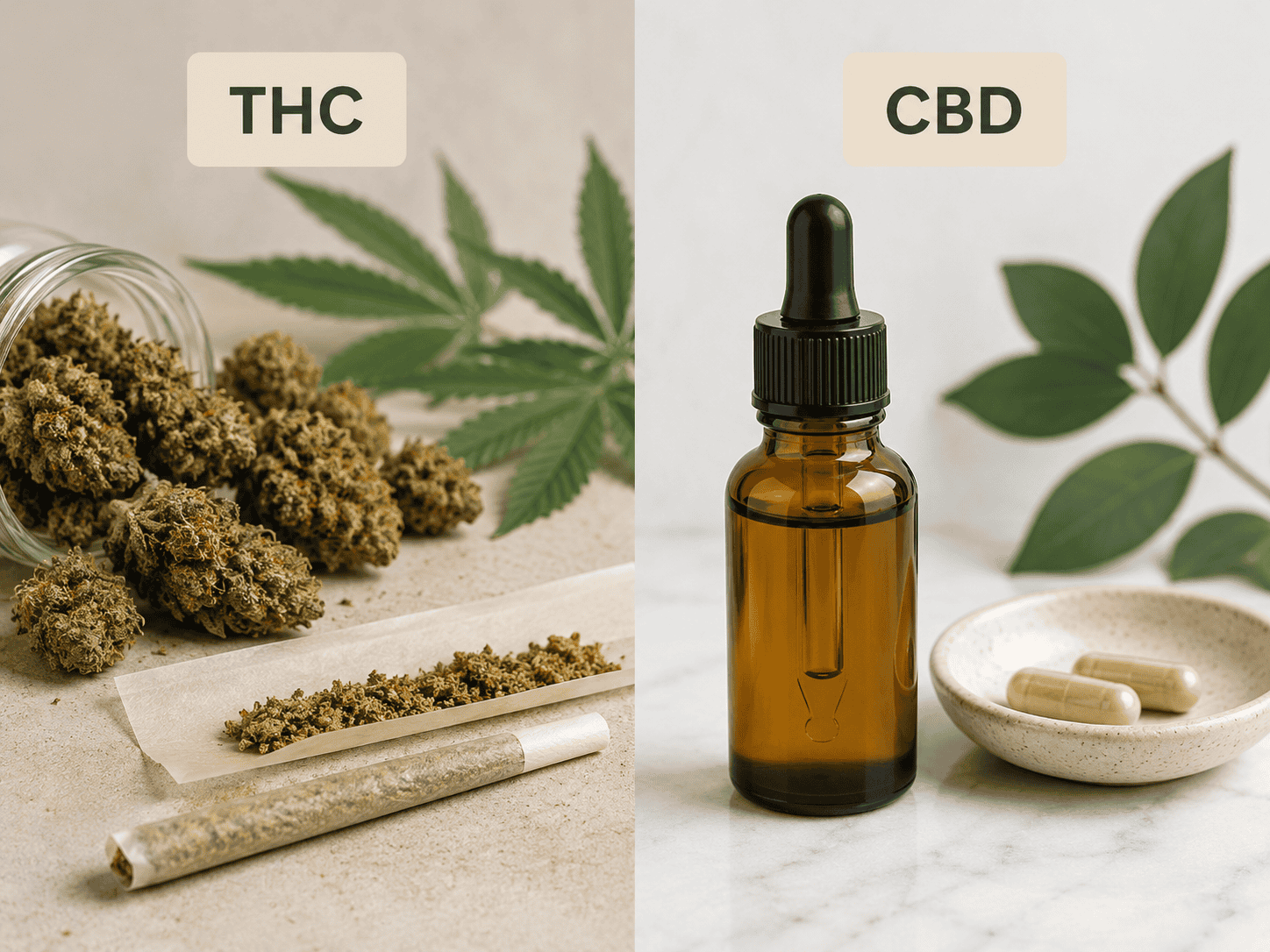
THC and CBD are two of the best-known cannabinoids in cannabis.
THC
THC is intoxicating. It can alter perception, attention, reaction time, mood, and coordination. Some adults report noticeable relaxation or changes in how discomfort feels, while others experience anxiety, dizziness, confusion, or increased sensitivity.
CBD
CBD is not intoxicating in the same way as THC, but it still affects the brain and body. It should not be considered inactive or automatically risk-free. Health Canada notes that CBD can produce effects and may interact with other substances or medications.
For adults interested in products containing CBD without THC, our CBD Isolate offers options formulated with pure cannabidiol and no detectable intoxicating cannabinoids.
THC and CBD together
Some research has examined products containing both cannabinoids. The recent migraine trial studied a specific THC-and-CBD combination, but its findings cannot be applied automatically to every flower, oil, edible, extract, or product carrying similar ingredients.
For migraine patients, the cannabinoid profile may be more informative than a general label such as indica, sativa, or hybrid.
Consumers interested in products that contain equal amounts of THC and CBD can explore our Lava & Kush THC:CBD 1:1 tinctures collection to learn more about balanced cannabinoid formulations.
Many cannabis studies focus on the role of THC, CBD, or balanced cannabinoid formulations. For more information on how these compounds differ, our article on CBD vs THC for Pain Relief in Canada explains their unique effects, potential benefits, and key considerations for Canadian consumers.
Does the Cannabis Strain Matter?
Strain names are widely used in cannabis marketing, but they are not standardized medical categories. Two products with the same or similar strain name may have different cannabinoid concentrations, terpene profiles, growing conditions, and overall effects.
Some adult consumers associate indica-labelled cannabis with relaxation or nighttime use. Others prefer different profiles based on their own experiences. These descriptions may help communicate general market expectations, but they do not establish that a particular strain treats migraine.
For a health-related discussion, more relevant considerations include:
- THC and CBD content
- Overall potency
- Product consistency
- Individual sensitivity
- Other medications
- Previous cannabis reactions
- The type and pattern of migraine
No individual strain has been proven to be the best cannabis strain for migraine.
Can Cannabis Make a Migraine Worse?
Yes, it may worsen symptoms for some people.
Cannabis can cause side effects such as dizziness, nausea, vomiting, anxiety, confusion, sleepiness, changes in heart rate, and impaired concentration. Several of these effects may overlap with or intensify symptoms already experienced during a migraine attack.
Cannabis smoke, strong aromas, or intoxication may also be unpleasant for a person who is sensitive to smells, light, movement, or changes in perception during an attack.
A person’s previous experience does not guarantee the same reaction every time. Potency, product type, health, sleep, food intake, and other medications can all influence the result.
What Are Rebound or Medication-Overuse Headaches?
Medication-overuse headache, sometimes called rebound headache, can occur when certain acute headache treatments are used too frequently. The person may begin experiencing more regular or persistent headaches, even though the product was originally used to manage them.
Research has raised concerns about an association between cannabis use and medication-overuse headache among people with chronic migraine. This does not prove that cannabis causes rebound headaches in every patient, but it is an important reason to discuss frequent use with a migraine specialist or healthcare professional.
Increasing cannabis use because headaches are becoming more frequent could mask a worsening migraine pattern or create additional complications.
Can Cannabis Interact With Migraine Medication?
Cannabinoids may interact with prescription medications and other substances. The significance of an interaction depends on the specific medicine, dose, cannabinoid content, health history, and frequency of use.
This matters because migraine patients may take:
- Acute migraine medications
- Preventive medications
- Antidepressants
- Anti-nausea medicines
- Sleep medications
- Blood-pressure medications
- Other pain medicines
Cannabis may increase sleepiness, dizziness, confusion, or impairment when combined with other products that have similar effects. Health Canada recommends working with a healthcare provider when cannabis is being considered for medical purposes, particularly when other medications are involved.
Patients should not stop or change prescribed migraine medication based on a blog post or consumer testimonial.
What Should Patients Discuss With a Healthcare Professional?
A useful conversation should include more than the question, “Does cannabis work for migraine?”
Patients can discuss:
- How often migraine attacks occur
- Whether aura is present
- Current acute and preventive treatments
- Other health conditions
- Previous reactions to THC or CBD
- All prescriptions, supplements, and non-prescription products
- Concerns about impairment or dependence
- Changes in headache frequency
- Pregnancy or breastfeeding
- Mental-health history
Keeping a migraine diary may help a healthcare professional identify patterns. It can record attack timing, symptoms, possible triggers, medications, sleep, food, and other relevant factors.
When Does a Headache Need Urgent Medical Attention?
A sudden or unusual headache should not automatically be treated as migraine.
Seek urgent medical care for symptoms such as:
- A sudden, extremely severe headache
- A headache following a significant head injury
- New weakness, numbness, fainting, or confusion
- Trouble speaking or understanding speech
- New vision loss
- Fever with neck stiffness
- A major change from the person’s usual migraine pattern
- A headache during pregnancy that feels severe or unusual
- Persistent vomiting or inability to keep fluids down
These symptoms can have causes other than migraine and require prompt professional assessment.
What Should Canadian Patients Keep in Mind?
Cannabis is legal for adults within Canada’s regulated framework, but legal availability does not mean every product is suitable for medical use or every person.
Patients researching cannabis and migraine should remember:
- The evidence is promising in places but remains limited.
- One clinical trial does not make every cannabis product equivalent.
- THC can cause intoxication and impairment.
- CBD can still cause effects and medication interactions.
- Strain names do not guarantee a predictable medical result.
- Frequent use may be associated with worsening headache patterns in some patients.
- Cannabis should not replace medical assessment for new or changing symptoms.
Health Canada reports that higher cannabinoid exposure can increase the likelihood of side effects and emphasizes involving a healthcare provider when cannabis is used for health-related reasons.
Frequently Asked Questions About Cannabis and Migraine
Does cannabis stop a migraine?
A recent controlled trial found encouraging results for one THC-and-CBD formulation, but cannabis cannot currently be described as a guaranteed migraine treatment. Results may vary according to the patient and the specific product studied.
Is CBD or THC better for migraine?
There is not enough evidence to declare one universally better. THC is intoxicating, while CBD is not intoxicating in the same way. Research has examined different cannabinoid combinations, but no standard formulation has been established for all migraine patients.
Can cannabis reduce migraine frequency?
Some observational studies have reported fewer migraine days among certain medical-cannabis patients. Because those studies have important limitations, they cannot prove that cannabis was solely responsible for the improvement.
Can cannabis trigger a headache?
Some people may experience headaches, dizziness, nausea, anxiety, or other unwanted effects after consuming cannabis. Frequent use has also been associated with medication-overuse headache in people with chronic migraine, although further research is needed.
Should migraine patients speak with a doctor first?
Yes. Migraine treatment should account for the person’s symptoms, medications, health history, and risk factors. A healthcare professional can also assess whether changing or severe headaches require additional investigation.
Final Thoughts
Interest in cannabis for migraine in Canada is growing, and recent research has provided more reason to study cannabinoids carefully. Some patients report positive experiences, and a controlled clinical trial has produced encouraging findings for a particular THC-and-CBD combination.
At the same time, the evidence does not support naming one best strain, promising symptom relief, or assuming that all cannabis products will produce the same outcome. Cannabis may cause side effects, interact with migraine medications, impair daily functioning, or contribute to worsening headache patterns in some people.
Patients should approach the topic with realistic expectations and discuss persistent or changing migraine symptoms with a qualified healthcare professional.
For general questions about King Tut’s membership, age verification, shipping, and customer support, readers can consult the King Tut’s FAQ.