
CBD has become one of the most searched cannabis-related topics in Canada, especially among adults looking for information about anxiety, chronic pain, stress, sleep, and wellness. Searches around CBD anxiety pain continue to grow because many Canadians want to understand whether CBD may have a role in their personal health or symptom-management plan.
CBD, short for cannabidiol, is a non-intoxicating cannabinoid found in cannabis. Unlike THC, CBD does not create the same “high” feeling. However, non-intoxicating does not mean inactive or risk-free. CBD can still affect the body, may interact with medications, and may not be suitable for everyone.
For adults researching CBD for anxiety and chronic pain in Canada, the most important thing to know is that the evidence is still developing. Some studies suggest CBD may show promise for certain anxiety-related symptoms, while evidence for chronic pain is less clear when CBD is used on its own. Health Canada has also noted that CBD can affect the brain and nervous system and that more research is needed for many therapeutic uses.
This guide explains what Canadian adults should know about CBD, anxiety, chronic pain, mental health, side effects, product formats, and when to speak with a healthcare professional.
This article is for general education only and is not medical advice.
CBD stands for cannabidiol. It is one of the major cannabinoids found in cannabis.
CBD is often described as non-intoxicating because it does not produce the same euphoric high commonly associated with THC. This is one reason many adults are curious about CBD when researching anxiety, pain, stress, sleep, or general wellness.
However, CBD is still biologically active. Health Canada’s review of cannabidiol notes that CBD can affect the brain and nervous system, even though it is not intoxicating in the same way as THC.
CBD may appear in several cannabis product formats, including:
The effects, onset time, and duration can vary depending on product format, amount, individual tolerance, health history, and whether the product contains THC.
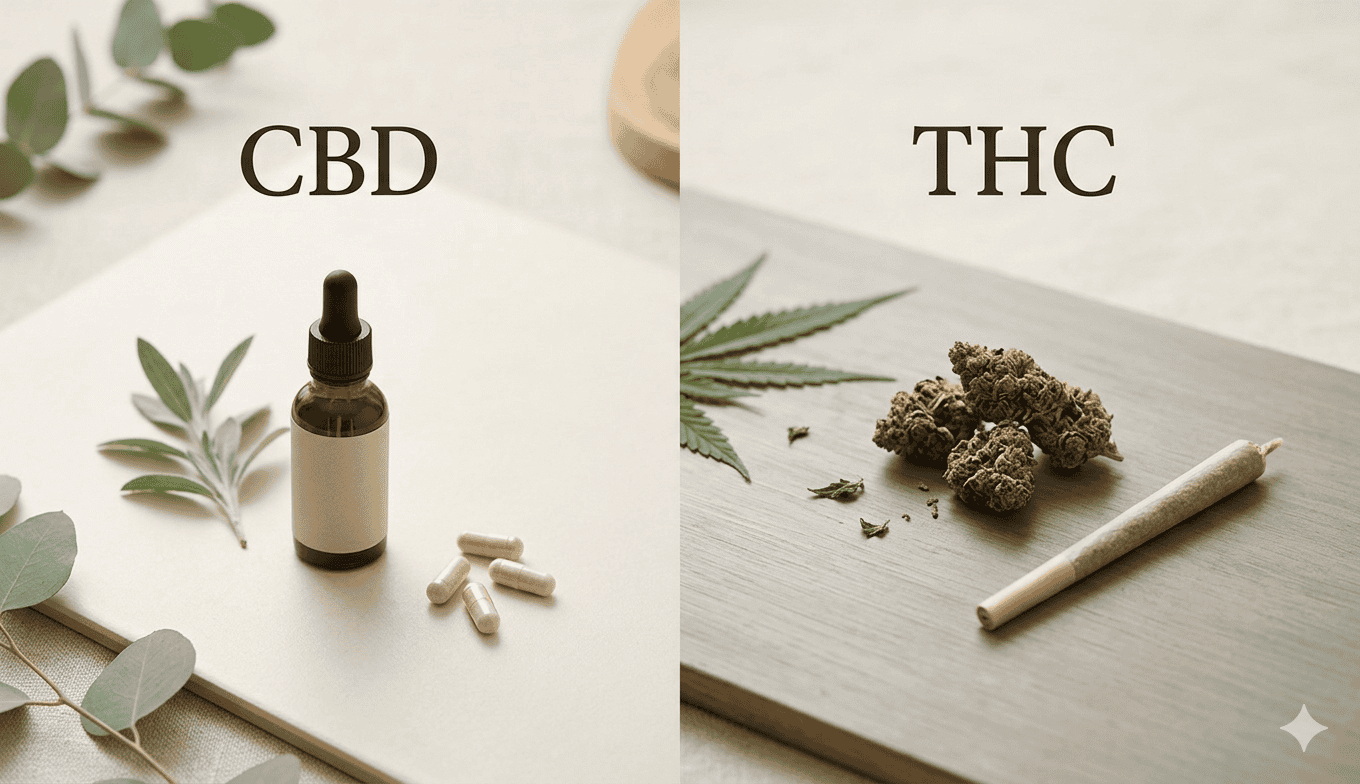
CBD and THC are both cannabinoids, but they are not the same.
THC is intoxicating. It can affect perception, reaction time, coordination, mood, sleepiness, and attention.
CBD is not intoxicating in the same way. It is often discussed in relation to anxiety, inflammation, discomfort, and wellness, but it should not be presented as a guaranteed treatment.
A simple way to understand the difference:
For adults researching CBD anxiety pain Canada, this difference matters. A CBD-only product may feel very different from a THC-dominant or balanced cannabis product.
If you’d like a more detailed breakdown of how CBD and THC compare, including how they affect the body, potential benefits, and key differences, read our guide on CBD and THC: Understanding the Differences Between the Two Cannabinoids.
Anxiety is one of the most common reasons adults search for CBD information. People may be interested in CBD because they want to understand options related to stress, nervousness, social anxiety, sleep disruption, or general mental wellness.
A 2024 systematic review found that CBD shows promise for anxiety disorders, but the results across studies were mixed. The authors noted that more research is needed before CBD can be treated as a clear, standardized anxiety treatment.
This is important because anxiety can have many causes and levels of severity. Occasional stress is different from an anxiety disorder that affects work, sleep, relationships, or everyday life.
CBD should not be used as a replacement for professional mental-health care, therapy, prescribed medication, or crisis support. Anyone dealing with ongoing anxiety, panic symptoms, depression, trauma, or thoughts of self-harm should speak with a qualified healthcare professional.
Chronic pain is another major reason adults research CBD. Chronic pain can involve back pain, arthritis, nerve pain, migraines, fibromyalgia, injury-related pain, inflammatory conditions, or pain that lasts beyond normal healing time.
Research on cannabinoids and chronic pain is more established for some THC-containing products than for CBD alone. A 2024 clinical practice guideline on cannabis and cannabinoid-based medicines noted that the strongest evidence for reducing chronic pain symptoms is for THC formulations, not CBD. It also noted that many adverse events are associated with THC.
That does not mean CBD has no potential role. It means the evidence for CBD alone as a chronic pain solution is still limited and should be discussed carefully.
A balanced way to understand CBD and chronic pain is:
The secondary keyword mental health pain Canada fits this topic because anxiety and chronic pain often overlap.
People living with chronic pain may also experience stress, poor sleep, low mood, frustration, or anxiety about daily activities. At the same time, anxiety can make pain feel more intense or harder to manage.
This does not mean CBD is automatically the answer. It means adults should look at the bigger picture.
A complete support plan may include:
CBD may be one topic within that broader conversation, but it should not replace proper care.
Adults considering CBD for health-related reasons should think about safety, product format, medication interactions, and expectations.
Important questions include:
Health Canada recommends that people using cannabis for medical purposes consult a healthcare provider, especially when other medications or health conditions are involved.
Yes. CBD can interact with some medications.
This matters for people taking:
CBD and THC can both be involved in drug interactions. A 2023 review noted that potential interactions with THC and CBD are probably of little importance at low or moderate doses for many people, but strong enzyme inhibitors or inducers can intensify or reduce cannabinoid effects and interactions may matter more with certain medications.
The safest approach is to speak with a healthcare professional or pharmacist before using CBD for anxiety, chronic pain, or another health-related reason.
CBD is often marketed as gentle, but side effects are still possible.
Possible CBD-related side effects may include:
Products that contain both CBD and THC may also cause THC-related effects, including intoxication, impaired reaction time, anxiety, confusion, and reduced coordination.
This is why reading product information matters. A product labelled “CBD” may still contain some THC, depending on the product type and formulation.
CBD products can vary by format. The format affects how quickly effects may begin, how long they may last, and how easy they are to measure.
CBD oils are commonly used because they allow adults to compare cannabinoid content and serving information more clearly.
CBD gummies and edibles are popular because they are familiar and discreet. However, edibles may take longer to feel and may last longer than some other formats. If a gummy also contains THC, impairment is possible.
Capsules are pre-measured and may appeal to adults who want a consistent format. Like edibles, they are processed through digestion and may take longer to feel.
Topicals are applied to the skin. They are often discussed in relation to localized discomfort, although effects can vary by product and person.
No product format should be presented as automatically better for anxiety or chronic pain. The right format depends on the person, product, goals, and healthcare guidance.
CBD is regulated under Canada’s cannabis framework. In Canada, CBD products are treated as cannabis products, even when they are non-intoxicating.
This means Canadian adults should pay attention to:
CBD should be kept away from children, pets, and anyone who should not consume cannabis products.
Anyone considering CBD for anxiety or chronic pain should speak with a healthcare professional if symptoms are ongoing, severe, worsening, or interfering with daily life.
Professional guidance is especially important if someone:
CBD should not replace professional care for anxiety, depression, chronic pain, or any serious health condition.
Does CBD help with anxiety?
Some research suggests CBD may show promise for anxiety-related symptoms, but results are mixed and more research is needed. CBD should not replace therapy, prescribed medication, or professional mental-health care.
Does CBD help with chronic pain?
Evidence for CBD alone as a chronic pain treatment is limited. Some cannabinoid research shows stronger evidence for THC-containing formulations, but THC also has a higher risk of impairment and side effects.
Is CBD intoxicating?
CBD is not intoxicating in the same way as THC. However, CBD can still affect the body and may interact with medications.
Can CBD make anxiety worse?
Some people may feel better with CBD, while others may experience unwanted effects such as fatigue, mood changes, or discomfort. If a product also contains THC, anxiety or panic may be more likely for some individuals.
Is CBD safe with medication?
Not always. CBD can interact with certain medications, so adults taking prescription drugs should speak with a healthcare professional or pharmacist before using CBD.
Is CBD legal in Canada?
CBD is regulated as a cannabis product in Canada. Adults should review Canadian rules, provincial requirements, product labels, and safe-storage guidance before using CBD products.
CBD is one of the most talked-about cannabis compounds in Canada, especially among adults researching anxiety, chronic pain, mental health, and wellness. However, CBD should be approached with realistic expectations.
The evidence around CBD anxiety pain is still developing. CBD may show promise in some anxiety research, while evidence for CBD alone in chronic pain is less clear. Product format, dose, THC content, health history, and medication interactions all matter.
For Canadian adults, the safest approach is to stay informed, read product information carefully, and speak with a qualified healthcare professional when anxiety or chronic pain is ongoing.
For general King Tut’s Cannabis questions about membership, age verification, shipping, order support, and customer service, readers can visit the King Tut’s FAQ.
If you’d like to explore the research behind the information in this article, these trusted resources are a great place to start:
The information in this article is intended for educational purposes only and should not replace medical advice from a qualified healthcare professional.

Copyright 2022 © All Rights Reserved.