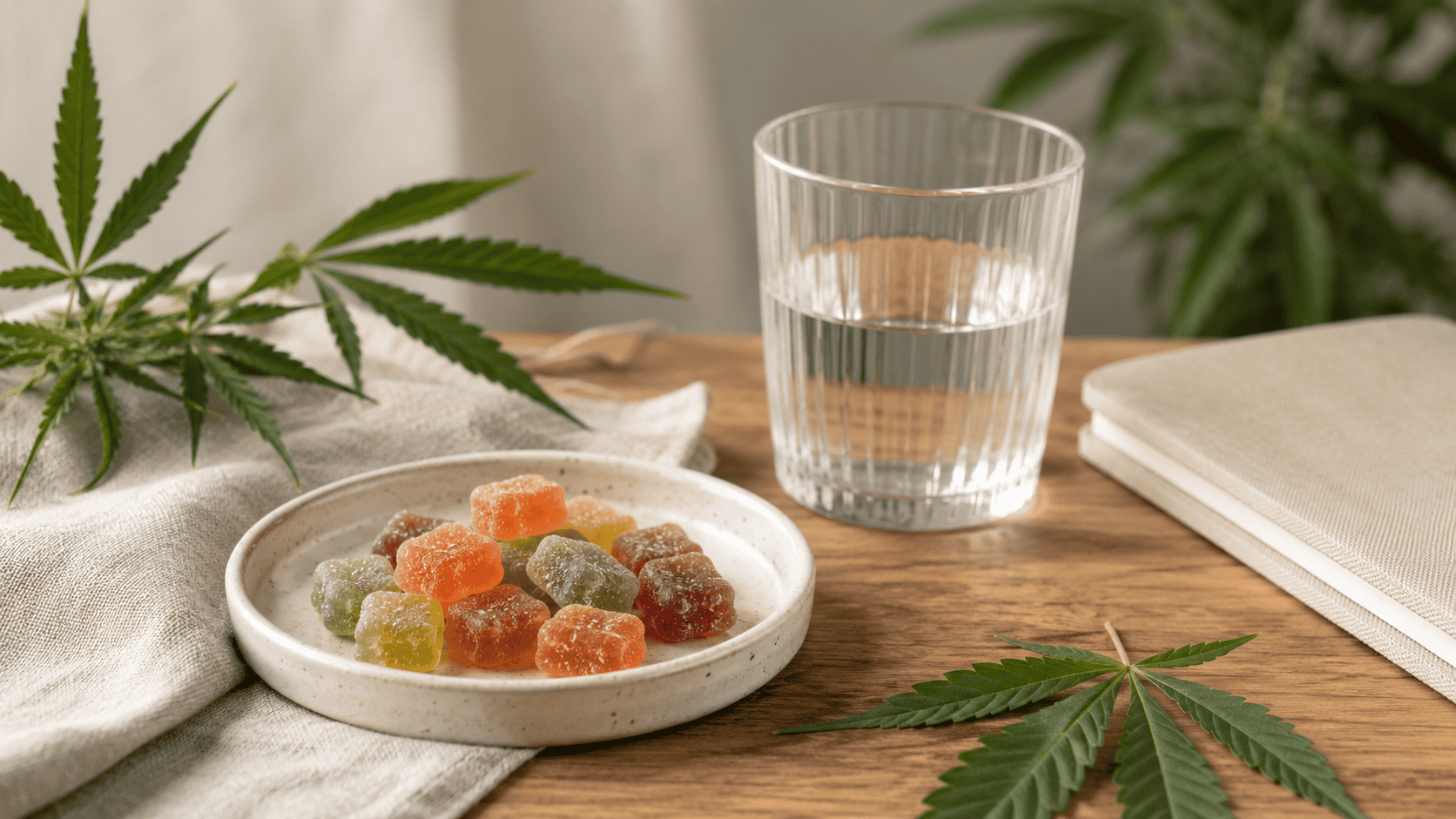
 Cannabis Edibles and Pain: What Canadian Adults Should Know
Cannabis edibles are one of the most searched cannabis product formats in Canada. Many adults look up phrases like cannabis gummies for pain Canada, THC gummies pain Canada, and CBD gummies Canada because they want to understand how edible cannabis differs from oils, flower, vapes, capsules, and topicals.
Edibles can be appealing because they are familiar, discreet, and do not involve smoking. However, they also require extra caution. Compared with inhaled cannabis, edible cannabis can take longer to feel, last longer, and increase the risk of taking more before the full effects are felt. Health Canada notes that eating or drinking cannabis can take much longer to produce effects, which may lead some people to consume more before feeling the full impact.
For adults researching cannabis edibles and pain, the most important point is this: edibles should not be treated as a guaranteed pain-relief product. Some adults report using cannabis products as part of a broader wellness or discomfort-management routine, but pain can have many causes and should be assessed by a healthcare professional when it is ongoing, severe, or unexplained.
This guide explains what cannabis edibles are, how THC and CBD differ, why timing matters, what Canadians should know about product labels, and how to approach edible cannabis more carefully.
This article is for general education only and is not medical advice.
Cannabis edibles are cannabis products that are eaten or drunk. They may include gummies, chocolates, baked goods, beverages, capsules, and other ingestible formats.
Unlike smoking or vaping, edibles are processed through digestion. This changes how the body absorbs cannabinoids like THC and CBD. As a result, the timing and duration can feel different from inhaled cannabis.
Common edible formats include:
The exact experience can vary based on the product, cannabinoid content, serving size, personal tolerance, health history, and whether the edible contains THC.
Many adults search for cannabis gummies and pain-related information because they are trying to understand different cannabis formats.
They may be researching:
These searches do not mean gummies are a proven treatment. They simply show that adults want clearer information.
Pain is complicated. It may come from injury, inflammation, nerve irritation, arthritis, chronic illness, overuse, stress, or another medical issue. Because of that, no edible product should be described as a guaranteed solution.
Cannabis and cannabinoids have been studied for chronic pain, but the results are not simple. Some evidence suggests cannabinoids may provide modest benefit for certain pain conditions, while risks and side effects must also be considered. A 2025 review described cannabinoids as having moderate efficacy in some chronic pain areas, including neuropathic pain, fibromyalgia, cancer-related pain, and multiple sclerosis-related symptoms, while also emphasizing that product type and patient differences matter.
That does not mean cannabis gummies work for every type of pain or every adult. Research often looks at specific cannabinoid products, doses, conditions, and patient groups. Results from one product or study should not be applied to every edible.
A balanced summary is:
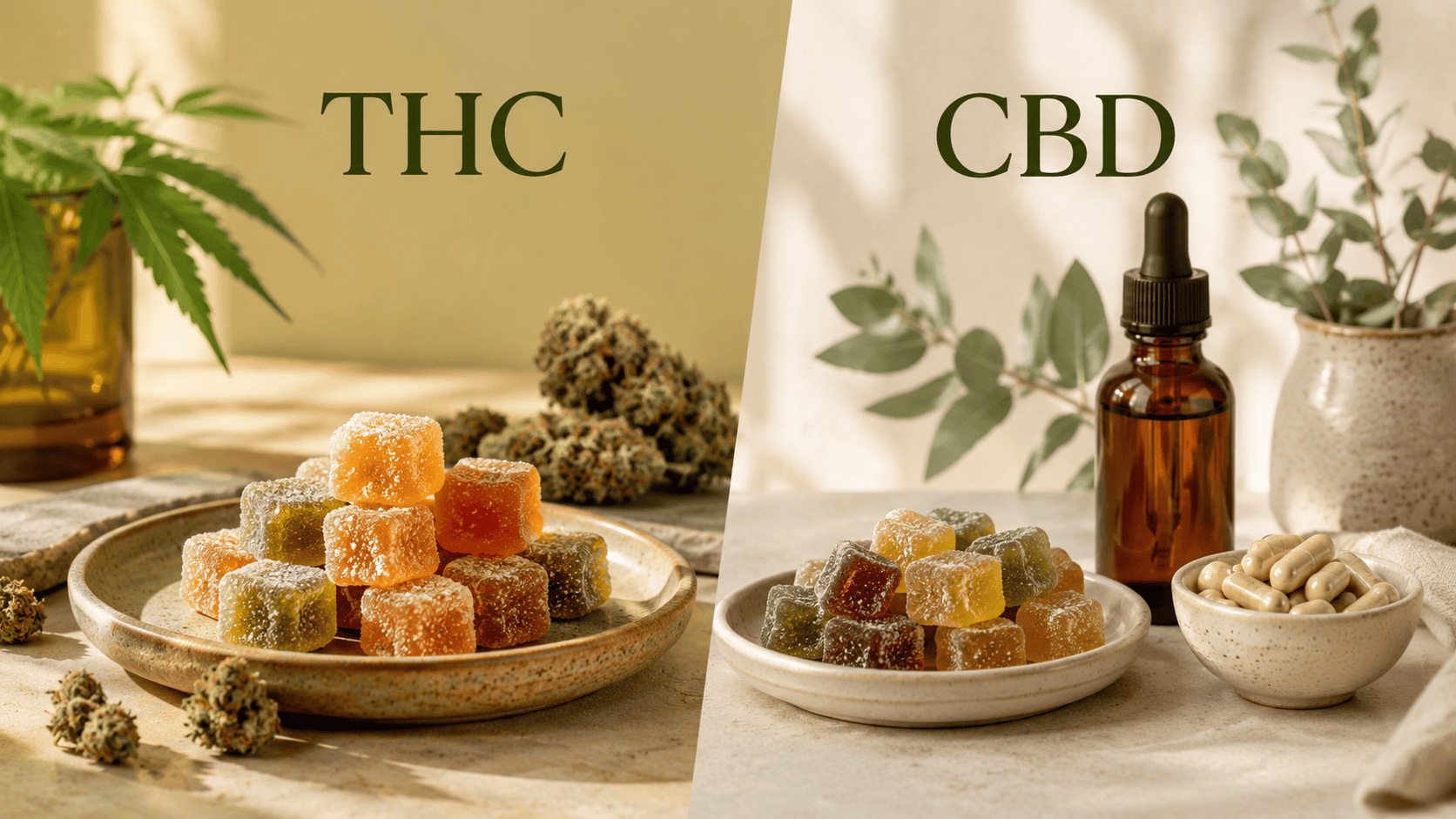
THC and CBD are two of the most common cannabinoids found in cannabis.
THC is intoxicating. It can affect mood, perception, sleepiness, reaction time, coordination, attention, and decision-making.
Some adults may associate THC edibles with stronger body effects or longer-lasting experiences. However, THC can also cause unwanted effects, including anxiety, dizziness, confusion, nausea, panic, or impairment.
Any edible containing THC should be treated carefully because effects can be delayed and long-lasting.
CBD is not intoxicating in the same way as THC. Some adults are interested in CBD because they want to avoid the “high” associated with THC.
However, CBD can still affect the body and may interact with medications. It should not be described as risk-free or as a guaranteed pain solution.
Some edibles contain both THC and CBD. These are sometimes described as balanced products when the ratio is closer to equal. However, if THC is present, impairment is still possible.
Adults should always check the product label rather than relying only on general terms like “gummy,” “CBD,” “THC,” or “balanced.”
Edibles are different from smoking or vaping because the body processes them through digestion. This can make onset slower and duration longer.
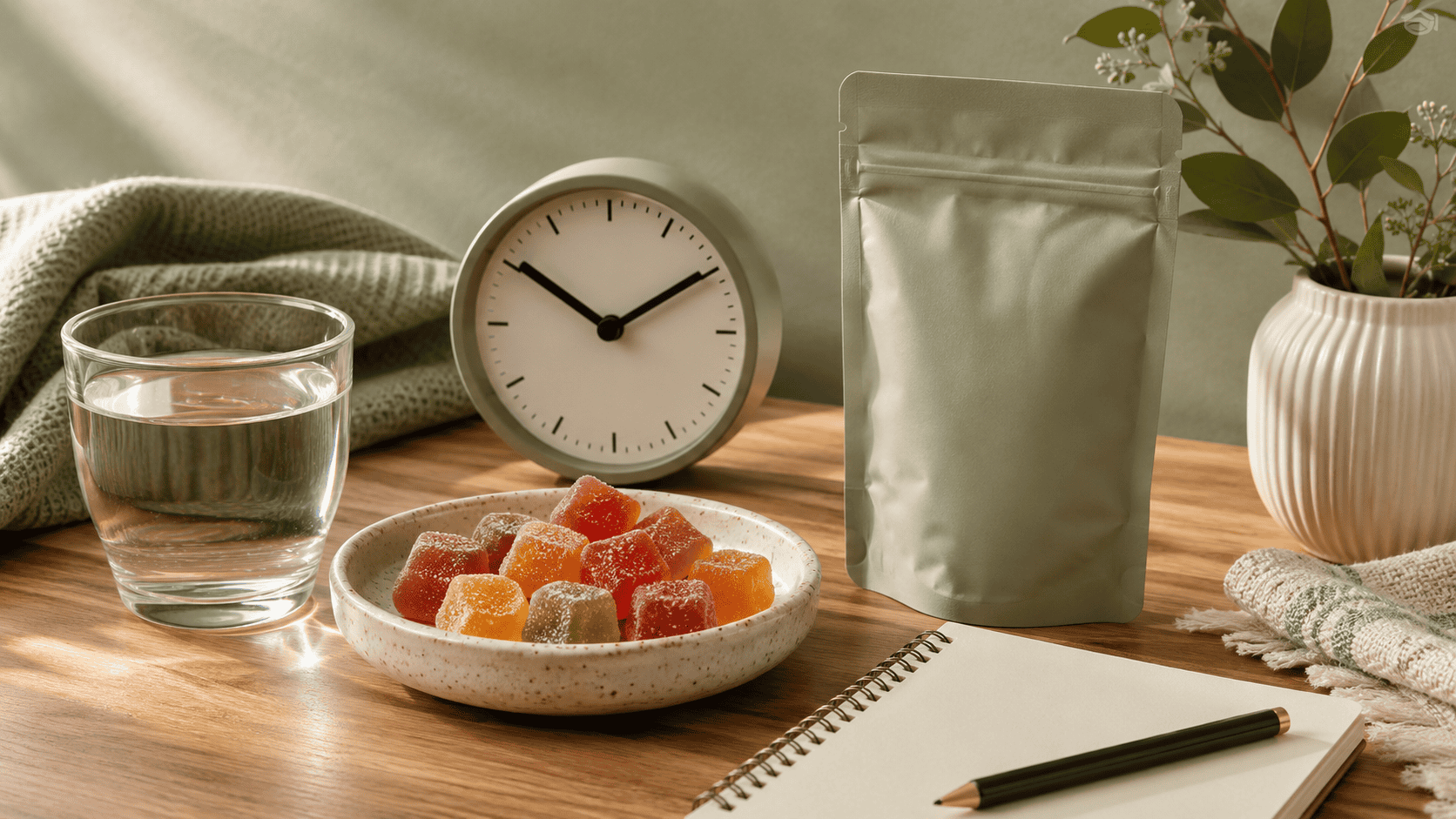
Health Canada states that when cannabis is eaten or drunk, effects can occur within 30 minutes to 2 hours and can last up to 24 hours. A BC edible cannabis fact sheet also notes that edible effects may not be felt for 2 hours, may take 4 hours to peak, and can last 4 to 12 hours, with some effects lasting up to 24 hours.
This delayed timing is one of the biggest reasons people have uncomfortable edible experiences. Someone may think the edible is not working, take more too soon, and then feel stronger effects later.
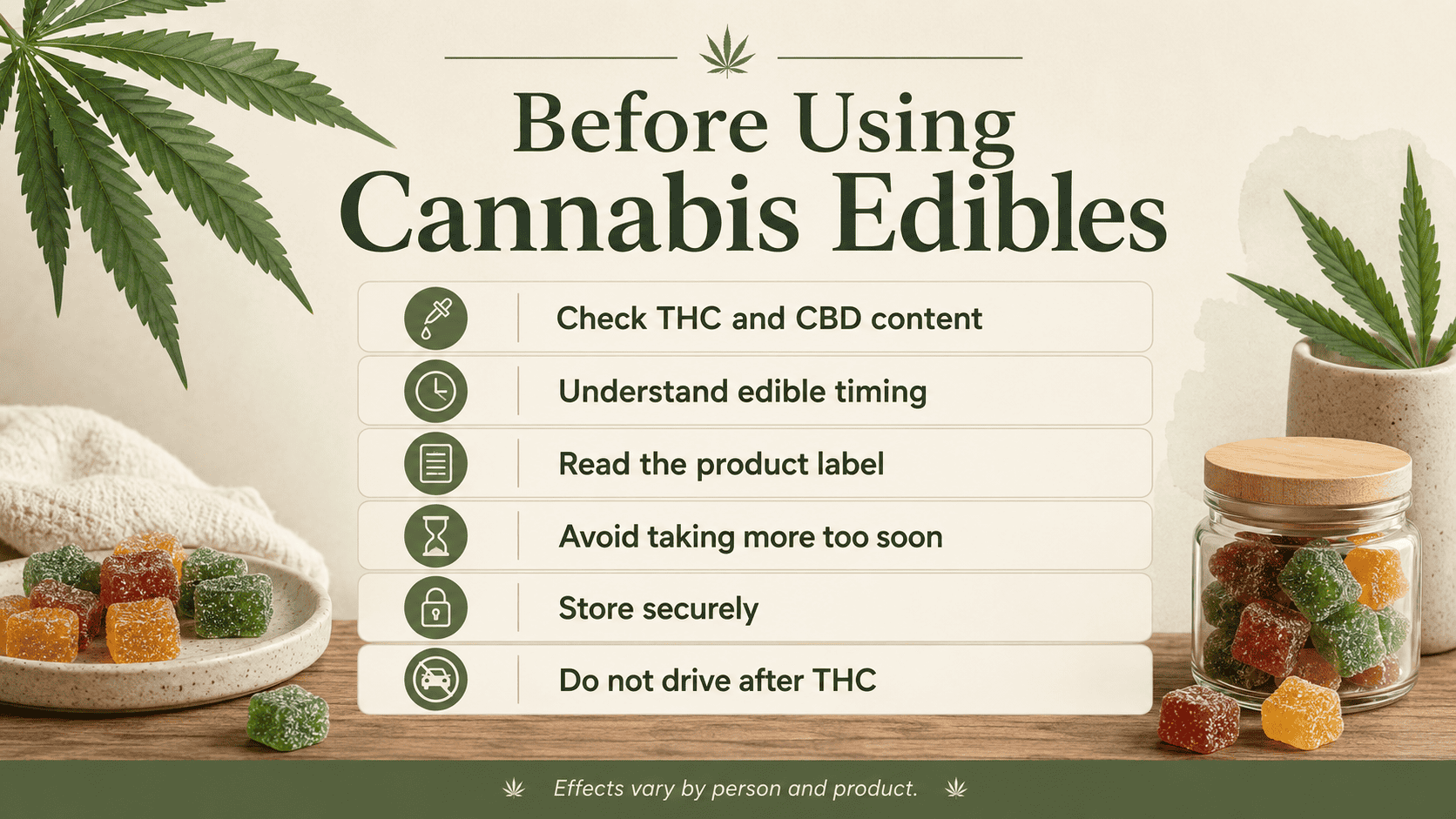
For adult education, the key takeaway is simple: edibles require patience, label awareness, and caution.
In Canada, edible cannabis is regulated with THC limits. Health Canada explains that edible cannabis has a precautionary limit of 10 mg of THC per immediate container because edible products can resemble common foods or drinks and may increase the risk of accidental or overconsumption.
This matters because adults may see different product formats, package structures, or multi-pack options. The important thing is to read the label carefully and understand the THC and CBD content before making assumptions.
Canadians should pay attention to:
Not necessarily. Each cannabis format has different considerations.
Edibles are familiar and discreet, but they have delayed onset and longer duration.
Cannabis oils may make it easier to compare cannabinoid content, depending on the product label. They may still contain THC and may still cause impairment.
Dried flower has a different onset and duration when inhaled, but smoking has its own health risks and may not be suitable for everyone.
Topicals are applied to the skin and are often discussed in relation to localized discomfort. Effects and product experiences vary.
No format should be described as automatically best for pain. The right discussion depends on the person, health history, reason for use, product type, and professional guidance.
Cannabis edibles can cause side effects, especially when they contain THC.
Possible side effects may include:
Health Canada warns that it can be easier to be poisoned when ingesting cannabis compared with inhaling cannabis because effects take longer and people may consume more before feeling the full effect.
Adults should also avoid driving, operating equipment, or doing activities that require coordination or quick reactions after consuming THC.
Edibles can look like regular candy, chocolate, baked goods, or drinks. This makes safe storage very important.
Cannabis edibles should be stored securely away from:
Health Canada notes that edible cannabis products can resemble common foods or drinks, which increases the risk of accidental or overconsumption.
Clear labelling and secure storage are part of responsible adult use.
Cannabis edibles should not be used to ignore serious symptoms.
Adults should seek medical guidance if pain is:
Pain is a signal. Understanding the cause matters more than masking the symptom.
Adults comparing edible products should look beyond flavour or package style.
Useful comparison points include:
The best approach is to treat edibles as a product format that requires careful reading, not as a simple candy-style item.
Some adults research cannabis gummies for pain-related reasons, but gummies should not be described as a guaranteed pain treatment. Pain can have many causes, and ongoing or severe pain should be discussed with a healthcare professional.
THC gummies can feel stronger because THC is intoxicating and can affect perception, coordination, attention, and mood. CBD gummies are not intoxicating in the same way, but CBD can still affect the body and may interact with medications.
When cannabis is eaten or drunk, effects can occur within 30 minutes to 2 hours and can last up to 24 hours.
Edibles are processed through digestion, which changes how cannabinoids are absorbed. This can make effects slower to begin and longer-lasting than inhaled cannabis.
Yes. THC-containing edibles may cause anxiety, panic, confusion, dizziness, or other unwanted effects in some people, especially when too much is consumed or when the person is inexperienced.
Yes. This is especially important if pain is chronic, severe, injury-related, or connected with other health conditions or medications.
Cannabis edibles are a popular topic in Canada, especially among adults searching for information about gummies, THC, CBD, and pain. However, edibles should be approached with realistic expectations and careful product awareness.
They can take longer to feel, last longer than expected, and cause stronger effects than some adults anticipate. Products containing THC may impair driving, coordination, and decision-making. CBD products may be non-intoxicating in the same way as THC, but they can still affect the body and may interact with medications.
For adults researching cannabis gummies for pain Canada, the safest first step is education. Read labels carefully, understand THC and CBD content, store edibles securely, and speak with a healthcare professional when pain is ongoing or health-related.
learn more about CBD vs THC for pain relief in Canada in our blog: CBD vs THC for Pain Relief in Canada: Which One Works Better?
Health Canada — Cannabis Health Effects
Health Canada’s cannabis health effects information
Health Canada — Classification of Edible Cannabis
Health Canada’s edible cannabis information
BC Government — Edible Cannabis Safety
BC’s edible cannabis safety fact sheet
Cannabinoids in Chronic Pain Management Review
Review of cannabinoids in chronic pain management

Copyright 2022 © All Rights Reserved.