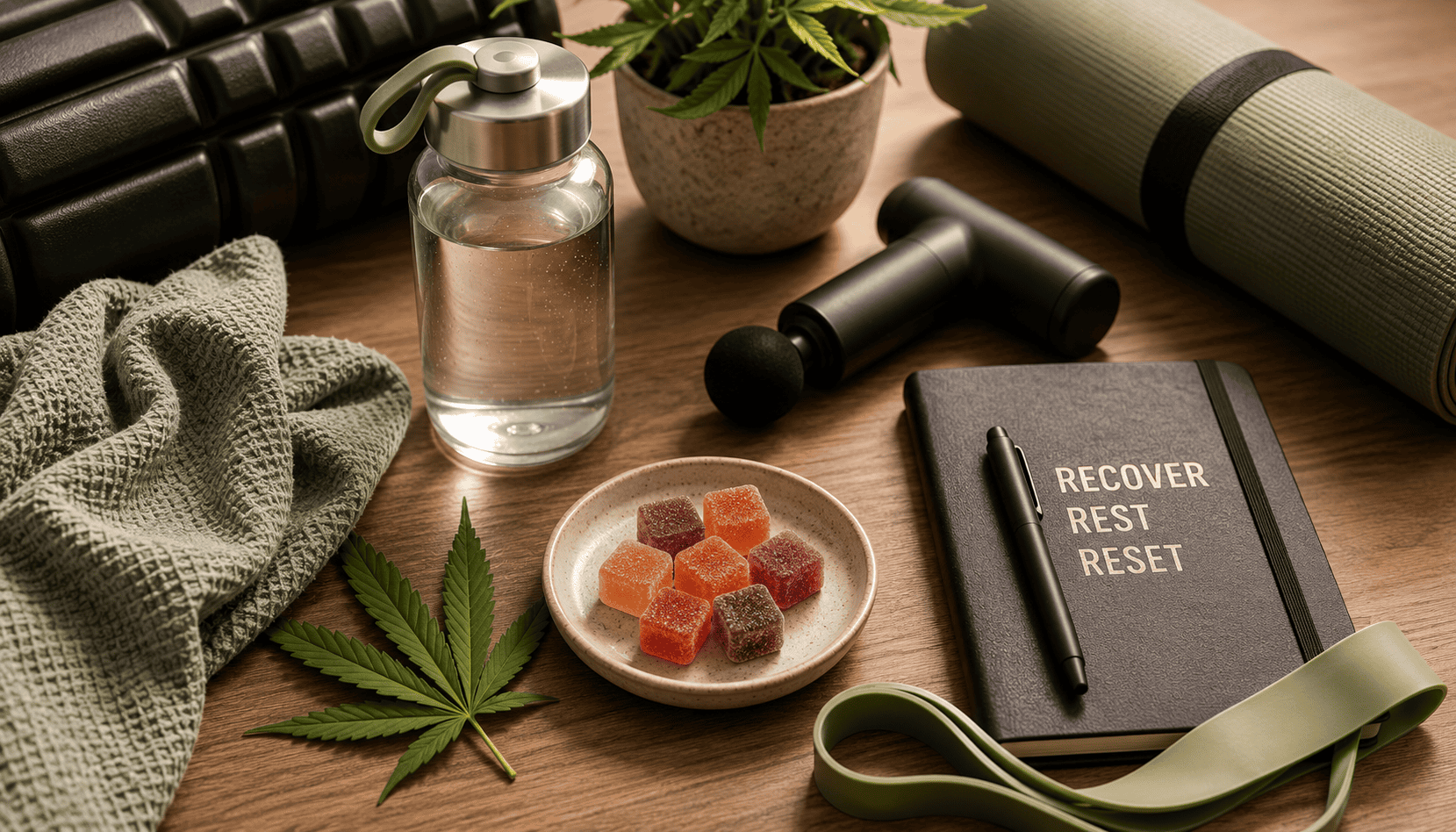
Muscle pain can happen after exercise, physical work, injury, overuse, tension, or long periods of strain. For many adults, recovery may involve rest, hydration, stretching, sleep, nutrition, physiotherapy, massage, heat, ice, or guidance from a healthcare professional. As cannabis becomes part of more wellness conversations, some Canadians are also searching for information about cannabis gummies for pain in Canada, THC, CBD, and cannabis for muscle recovery.
Cannabis may be discussed by some adults as part of a broader approach to discomfort, relaxation, and recovery. However, it should not be presented as a guaranteed treatment for muscle pain or as a replacement for proper medical care. Muscle pain can have many causes, and ongoing, severe, or unexplained pain should be assessed by a qualified healthcare professional.
This guide explains what Canadian adults should know about cannabis and muscle pain, the difference between THC and CBD, why gummies and edibles are different from inhaled products, what current research says, and how to think about cannabis safely within a recovery routine.
This article is for general education only and is not medical advice.
Muscle pain can be short-term or ongoing. Some soreness is common after exercise, especially after new movements, heavier training, or physical activity the body is not used to.
Common causes of muscle pain include:
Not all muscle pain is the same. A dull ache after a workout is different from sharp pain, swelling, weakness, numbness, or pain after an accident.
Cannabis should not be used to ignore warning signs. Pain that is severe, worsening, sudden, or connected with loss of function should be assessed by a healthcare professional.
Some adults search for cannabis for muscle recovery in Canada because they are curious about how THC, CBD, edibles, topicals, oils, or dried flower might fit into a post-workout or discomfort-management routine.
People may be looking for information about:
It is important to separate consumer interest from medical proof. Some adults report that cannabis helps them feel more relaxed or more comfortable, but personal experiences vary and do not prove that cannabis treats muscle pain.
Research on cannabis and muscle pain is still developing. Most evidence focuses on chronic pain, musculoskeletal pain, neuropathic pain, or medical cannabis use more broadly, rather than simple post-workout soreness.
A 2024 study of adults with chronic musculoskeletal pain found that 23% reported past or present cannabis use to manage their pain, and among those users, 63.7% perceived cannabis as very or somewhat effective. However, this was based on patient-reported experience and does not prove that cannabis works the same way for everyone.
Health Canada also states that information about cannabis for medical purposes should be used together with advice from a healthcare provider, and adults should consult a healthcare provider before using cannabis for medical purposes.
A balanced way to understand the research is:
THC and CBD are two of the best-known cannabinoids in cannabis.
THC is intoxicating. It can affect mood, perception, attention, reaction time, coordination, and sleepiness. Some adults describe THC-containing products as relaxing or body-heavy, but THC can also cause unwanted effects such as anxiety, dizziness, confusion, or impairment.
When people search for THC gummies for pain relief, they are usually looking for information about edible cannabis products that contain THC. These products may feel different from smoking or vaping because they are processed through digestion and can take longer to feel.
CBD is not intoxicating in the same way as THC. Some adults are interested in CBD because it is often discussed in relation to discomfort, inflammation, recovery, and wellness. However, CBD can still affect the body and may interact with certain medications.
CBD should not be described as a guaranteed solution for muscle pain or recovery. Like THC, its effects can vary.
Some cannabis products contain both THC and CBD. A balanced product may feel different from a THC-dominant product, but any product containing THC can still cause impairment.
When comparing products, adults should pay attention to:
If you’d like a more detailed comparison, read our guide CBD vs THC for Pain Relief in Canada: Which One Works Better? It explores the differences between these cannabinoids, how they may affect the body, and what Canadian adults should know before choosing a product.
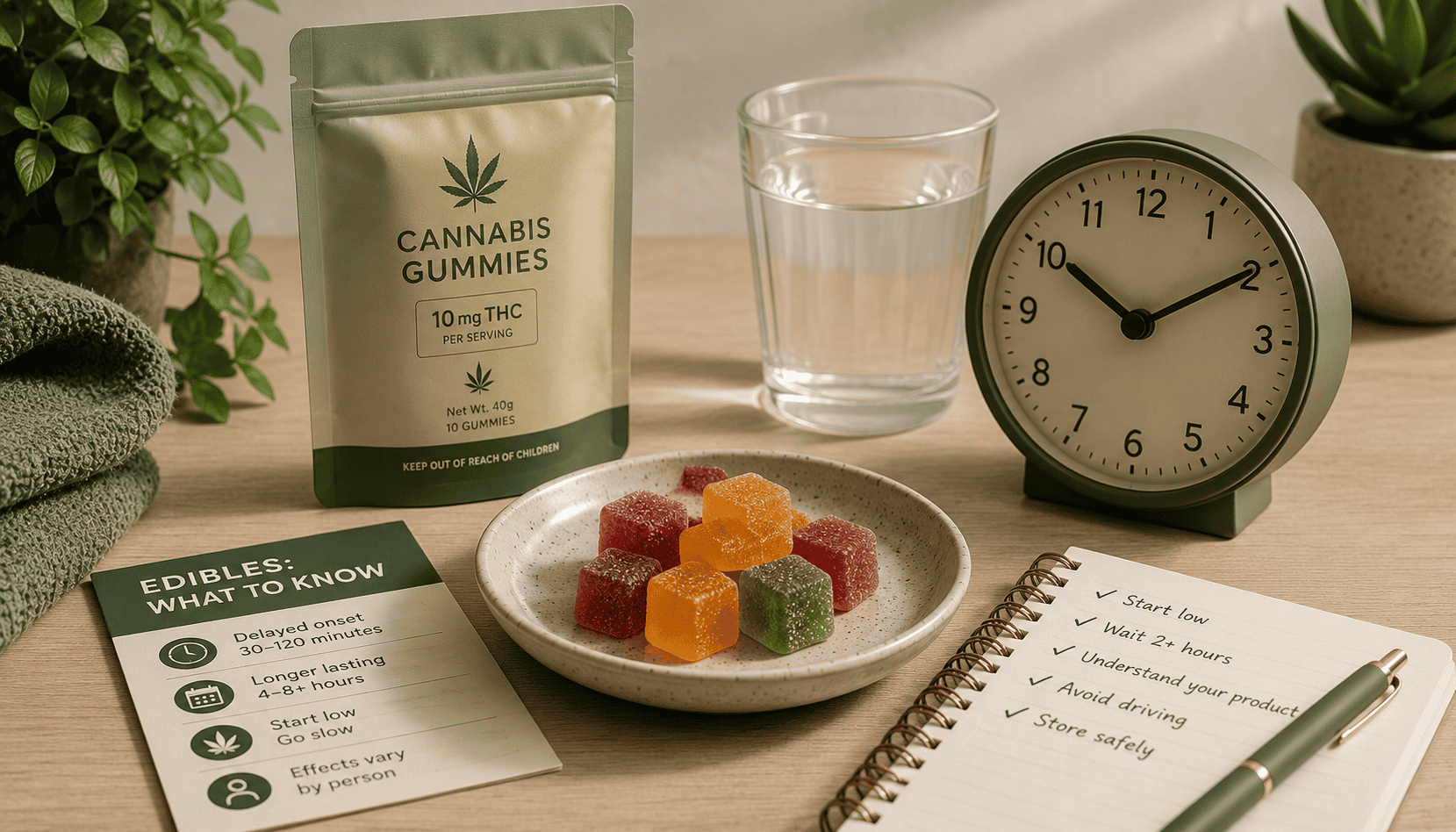
Cannabis gummies are a type of edible cannabis product. In Canada, edibles are regulated differently from homemade or unregulated products, and adults should understand how they work before using them.
Edibles can be more difficult to judge because effects are delayed and may last longer than inhaled cannabis. Health Canada’s Canadian Cannabis Survey summary notes public-health knowledge points around edibles, including delayed onset and longer duration compared with inhaled cannabis.
A BC government edible cannabis fact sheet also explains that many people are aware of the immediate effects linked with smoking cannabis but may not realize that edibles can have delayed onset and extended duration.
For adult readers, this means:
Understanding how edibles differ from inhaled cannabis is only one part of choosing a product. If you’d like to compare edible cannabis products, visit our Edibles category to review THC and CBD content, serving information, and other product details before making a decision.
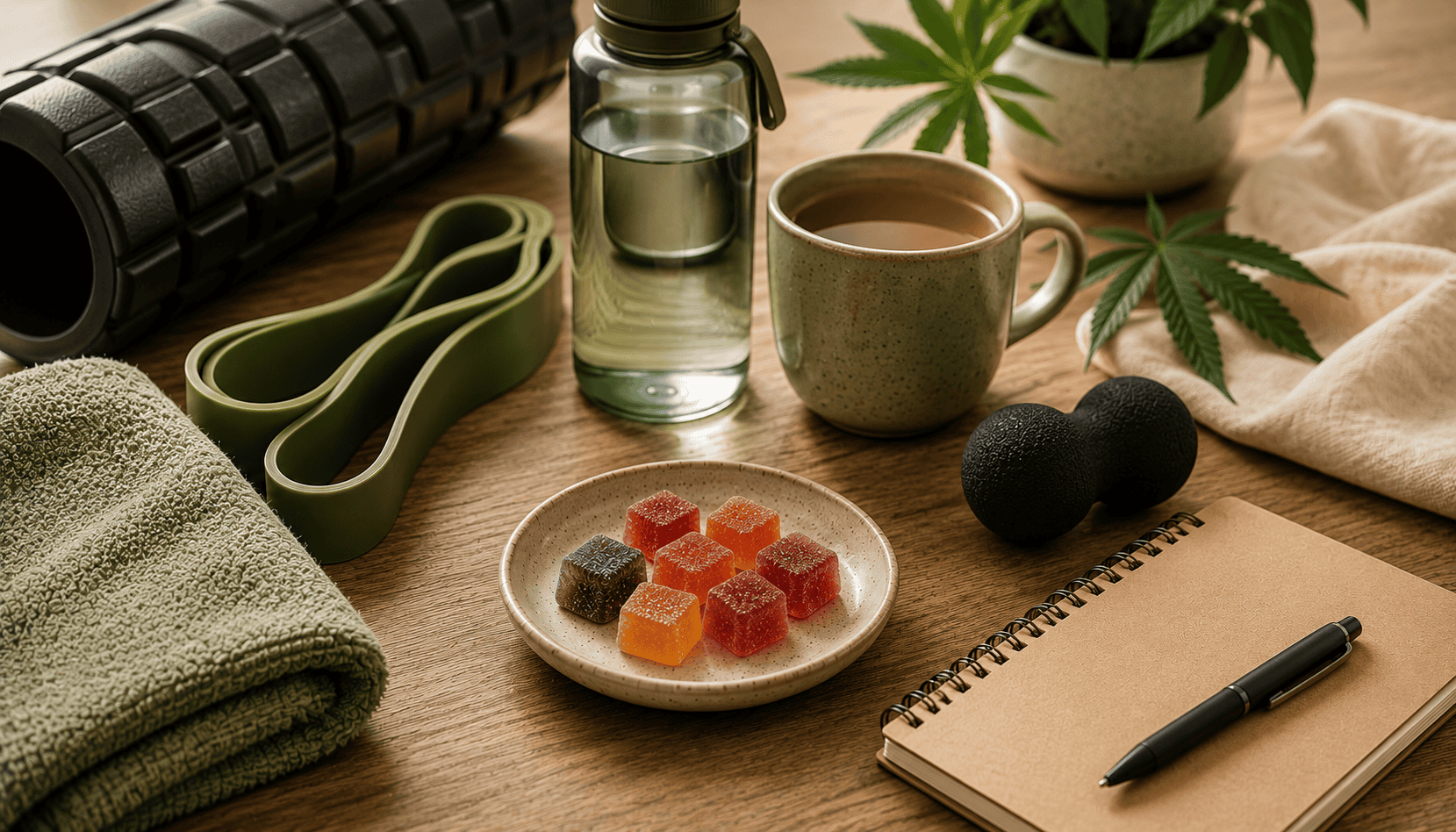
Some adults are curious about cannabis after exercise because they associate it with relaxation, sleep, or comfort. However, post-workout recovery depends on many factors beyond cannabis.
Rest
Sleep
Hydration
Protein and balanced nutrition
Gentle movement
Stretching or mobility work
Warm baths or heat
Ice where appropriate
Reducing training intensity when needed
Physiotherapy or professional support
Cannabis may be part of some adults’ relaxation routine, but it should not be seen as a shortcut around recovery basics. If soreness keeps returning or worsens, the issue may be training load, technique, injury, or another health concern.
Because quality sleep is an important part of muscle recovery, many adults are also interested in how cannabis strain labels relate to rest and relaxation. If you’d like to learn more, read our guide Cannabis Strain Labels, Sleep and Pain: What Canadians Should Know, which explains common terms such as indica, sativa, hybrid, and terpenes, and how they’re commonly discussed.
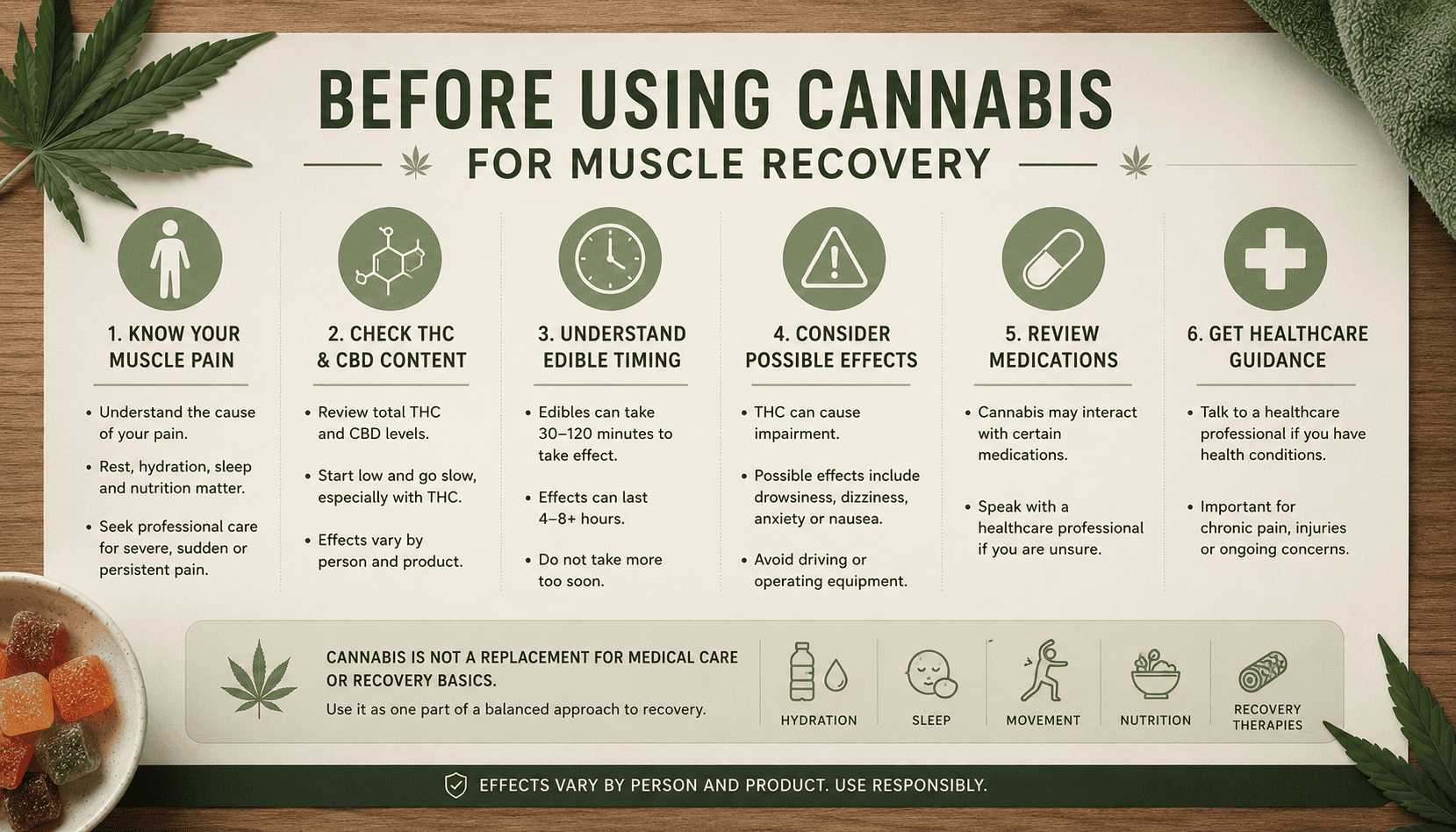
Cannabis can cause side effects, especially products containing THC.
Possible effects may include:
Sleepiness
Dizziness
Anxiety or panic
Nausea or vomiting
Confusion
Dry mouth
Slower reaction time
Impaired coordination
Changes in mood
Increased heart rate
Difficulty concentrating
Longer-lasting impairment with edibles
Health Canada notes that higher THC content increases the likelihood of adverse effects or poisoning, especially for first-time or inexperienced consumers.
Cannabis should not be combined with driving, operating equipment, intense workouts, or activities that require balance, coordination, and quick reaction time.
Most mild muscle soreness improves with time, rest, and basic recovery. However, some symptoms need medical attention.
Adults should seek medical guidance if muscle pain is:
Severe
Sudden or unexplained
Getting worse
Connected with swelling, bruising, or deformity
Associated with weakness, numbness, or tingling
Present after a fall or injury
Accompanied by fever
Affecting walking or daily function
Lasting longer than expected
Linked with chest pain or shortness of breath
Cannabis should not be used to mask serious symptoms or delay proper care.
Adults researching cannabis products for general education should look beyond one keyword or product type.
Product details that matter include:
THC content
CBD content
Serving size
Product format
Expected onset time
Expected duration
Ingredients and allergens
Warnings
Personal tolerance
Whether the product may impair
For edibles, label literacy is especially important because effects are delayed and can last longer than expected.
Readers who want general site information can review King Tut’s FAQ for membership, age verification, shipping, and customer support questions. You can also link to your own educational blogs about CBD vs THC, cannabis and pain, or cannabis strain labels where those pages are available.
Are cannabis gummies used for pain in Canada?
Some adults search for cannabis gummies and pain-related information, but gummies should not be described as a guaranteed pain treatment. Edibles can have delayed onset and longer-lasting effects, so adults should understand the product format and speak with a healthcare professional for medical concerns.
Are THC gummies good for muscle recovery?
There is no universal answer. Some adults may associate THC products with relaxation or comfort, while others may experience anxiety, dizziness, grogginess, or impairment. Recovery also depends on sleep, rest, hydration, nutrition, and injury management.
Is CBD better than THC for muscle pain?
CBD is non-intoxicating in the same way as THC, while THC can produce impairment and stronger noticeable effects. Neither should be described as automatically better for muscle pain. The right discussion depends on the person, symptoms, product, and health history.
How long do cannabis gummies take to work?
Edibles can take longer to feel than inhaled cannabis and may last longer. This is one reason adults should be cautious with timing and avoid taking more too soon.
Can cannabis replace physiotherapy or medical treatment?
No. Cannabis should not replace physiotherapy, medical assessment, prescribed treatment, or proper recovery practices. Persistent, severe, or unusual muscle pain should be discussed with a healthcare professional.
Can THC gummies impair driving?
Yes. THC can impair attention, coordination, and reaction time. Edibles may also have delayed and longer-lasting effects, so driving or operating equipment should be avoided after consuming THC.
Interest in cannabis gummies for pain in Canada and cannabis for muscle recovery continues to grow. Some adults report that cannabis products help them feel more relaxed or comfortable, but research is still developing and effects vary widely.
For muscle pain, cannabis should be viewed as one topic within a broader recovery conversation, not as a guaranteed solution. Rest, sleep, hydration, nutrition, gentle movement, and professional guidance all matter.
Adults who are considering cannabis for health-related reasons should speak with a healthcare professional, especially if pain is persistent, severe, injury-related, or connected with other symptoms.
Looking for more information?
The following resources offer evidence-based guidance on cannabis use, potential health effects, medical cannabis, edible safety, and recent clinical research:
Health Canada – Health Canada’s cannabis for medical purposes guidance
Health Canada – Health Canada’s cannabis health effects information
Chronic musculoskeletal pain cannabis study – 2024 study on cannabis use among chronic musculoskeletal pain patients

Copyright 2022 © All Rights Reserved.